
How Web Design Can Affect Your SEO Rankings
When it comes to optimizing your website for search engines, most people think about keywords, backlinks, and content. However, one crucial aspect that often gets overlooked is web design. The way your website is designed can have a significant impact on your SEO rankings. In this article, we will explore how web design can affect your SEO rankings and what you can do to improve them.
Site Speed
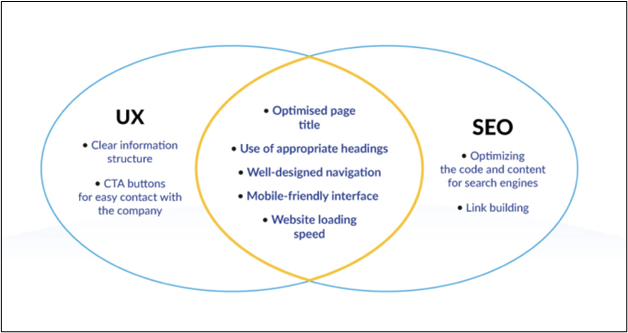
One of the most important factors that search engines like Google consider when ranking websites is site speed. A slow-loading website can frustrate users and result in a higher bounce rate, which can negatively impact your SEO rankings. To improve your site speed, you can optimize your images, minify your CSS and JavaScript files, and leverage browser caching. Additionally, choosing a reliable hosting provider and using a content delivery network (CDN) can also help improve your site speed.
Mobile-Friendliness
With more and more people accessing websites on mobile devices, it is essential to have a mobile-friendly design. Google has made mobile-friendliness a ranking factor, so having a responsive web design that looks good on all devices is crucial for improving your SEO rankings. You can use tools like Google’s Mobile-Friendly Test to check if your website is mobile-friendly and make necessary adjustments to ensure a seamless user experience on mobile devices.
User Experience
User experience plays a significant role in SEO rankings. Search engines want to provide users with the best possible experience, so they tend to favor websites that are easy to navigate, visually appealing, and provide valuable content. To improve your user experience, make sure your website is well-organized, has a clear and intuitive navigation menu, and loads quickly. You can also add engaging visuals, interactive elements, and relevant internal links to enhance the user experience and keep visitors on your site longer.
Content Layout
The way your content is laid out on your website can also impact your SEO rankings. Search engines use crawlers to index and rank websites, so having a clear and well-structured layout can make it easier for crawlers to understand your content. Make sure to use headings, subheadings, and bulleted lists to break up your content and make it more scannable. You should also use relevant keywords in your headings and meta tags to help search engines understand the context of your content.
Internal Linking
Internal linking is another aspect of web design that can influence your SEO rankings. Linking to relevant pages within your website can help search engines understand the structure of your site and the relationship between different pages. Additionally, internal linking can help distribute link equity throughout your site, improve the user experience, and encourage visitors to explore more of your content. Make sure to use descriptive anchor text and strategically place internal links throughout your website to maximize the SEO benefits of internal linking.
Conclusion
Overall, web design plays a crucial role in determining your SEO rankings. By optimizing your site speed, ensuring mobile-friendliness, improving user experience, enhancing content layout, and implementing internal linking, you can improve your SEO rankings and attract more organic traffic to your website. Remember that search engines aim to provide users with the best possible experience, so focusing on web design can help you achieve higher rankings and drive more valuable traffic to your site.
Ready to boost your SEO rankings with a professional web design? Contact us today to learn more about our web design services and how we can help you improve your SEO performance.