
The Role of UX/UI in SEO-Friendly Web Design
In today’s digital age, having a strong online presence is crucial for the success of any business. With over 3.5 billion searches conducted on Google every day, it’s essential for companies to optimize their websites for search engines in order to attract and retain customers. However, many businesses overlook the importance of user experience (UX) and user interface (UI) design in the creation of SEO-friendly websites. In this article, we will explore the role of UX/UI in SEO-friendly web design and why it is essential for businesses to prioritize these elements.
What is UX/UI?
UX refers to the overall experience that a user has when interacting with a website or application, while UI focuses on the visual elements and layout of the site. Both UX and UI design play a crucial role in creating a seamless and enjoyable user experience that keeps visitors engaged and encourages them to explore the site further. When it comes to SEO, having a well-designed UX/UI can significantly impact a website’s search engine rankings.
How UX/UI Affects SEO
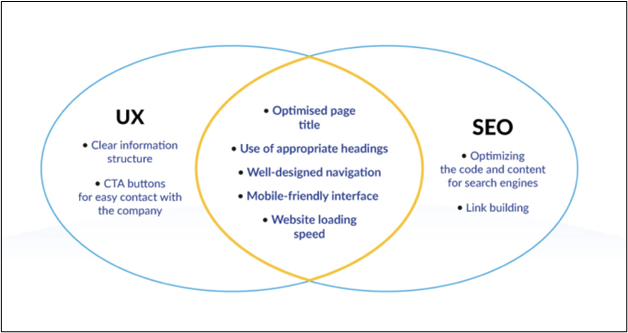
Search engines like Google prioritize websites that provide a positive user experience, as they aim to deliver the most relevant and useful results to users. A well-designed UX/UI can improve factors such as site speed, mobile responsiveness, and navigation, all of which are important ranking factors for search engines. By creating a user-friendly website with intuitive navigation and engaging content, businesses can increase their chances of ranking higher in search results.
Key Elements of SEO-Friendly UX/UI Design
There are several key elements that businesses should consider when designing a website with SEO in mind:
Mobile Responsiveness: With the majority of internet users now accessing websites on mobile devices, it’s essential for websites to be optimized for mobile. Google prioritizes mobile-friendly sites in its search results, so businesses should ensure that their site is responsive and displays correctly on all devices.
Site Speed: A slow-loading website can negatively impact both user experience and search engine rankings. Businesses should optimize their site’s speed by minimizing image sizes, reducing unnecessary plugins, and utilizing caching techniques.
Intuitive Navigation: Users should be able to easily find the information they are looking for on a website. A clear navigation menu and well-organized content can help improve the user experience and keep visitors on the site longer.
Engaging Content: High-quality, relevant content is essential for both users and search engines. Businesses should focus on creating informative and engaging content that keeps visitors on the site and encourages them to explore further.
Conclusion
Ultimately, UX and UI design are crucial components of creating an SEO-friendly website that attracts and retains visitors. By prioritizing user experience and interface design, businesses can improve their search engine rankings and drive more organic traffic to their site. Investing in UX/UI design not only benefits users but also enhances a website’s overall performance and visibility online.