
Common SEO Mistakes in Web Design and How to Avoid Them
Search Engine Optimization (SEO) is a critical component of any successful website. When it comes to web design, there are several common mistakes that can negatively impact your site’s SEO performance. In this article, we will discuss some of the most common SEO mistakes in web design and provide tips on how to avoid them.
1. Lack of Keyword Research
One of the biggest SEO mistakes in web design is failing to conduct keyword research. Keywords are the terms that users enter into search engines to find information. By incorporating relevant keywords into your website’s content, meta tags, and URLs, you can improve your site’s search engine rankings. To avoid this mistake, be sure to conduct thorough keyword research before designing your website.
2. Poor Website Structure
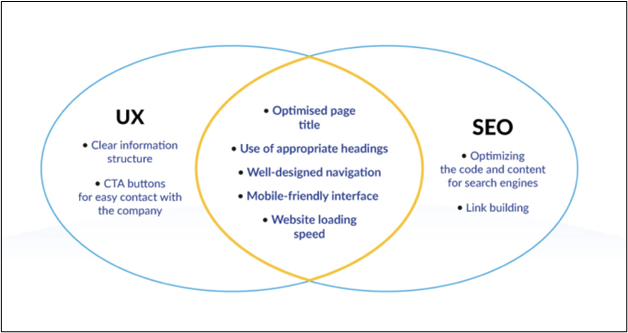
Another common SEO mistake in web design is having a poor website structure. Search engines use website structure to determine how to navigate and index your site. A well-organized website with clear navigation not only improves the user experience but also makes it easier for search engines to crawl and rank your site. To avoid this mistake, create a logical website structure with easy-to-follow navigation.
3. Slow Loading Speed
Website speed is a crucial factor in SEO rankings. Slow loading websites not only frustrate users but also hurt your search engine rankings. To avoid this mistake, optimize your website’s images, use browser caching, and minimize HTTP requests. Additionally, consider using a content delivery network (CDN) to improve your site’s loading speed.
4. Lack of Mobile Optimization
In today’s mobile-first world, it’s essential to have a mobile-responsive website. Search engines prioritize mobile-friendly websites in their rankings, so failing to optimize your site for mobile can significantly impact your SEO performance. To avoid this mistake, use responsive web design techniques to ensure your site looks great and functions well on all devices.
5. Thin or Duplicate Content
Content is king when it comes to SEO. Thin or duplicate content can harm your site’s search engine rankings. To avoid this mistake, create high-quality, unique content that provides value to your users. Use relevant keywords naturally throughout your content and avoid keyword stuffing. Additionally, regularly update your content to keep it fresh and relevant.
6. Ignoring Metadata
Meta tags, such as title tags and meta descriptions, are essential for SEO. Ignoring or neglecting metadata can hurt your site’s search engine rankings. To avoid this mistake, optimize your meta tags with relevant keywords and compelling descriptions that entice users to click through to your site. Additionally, use schema markup to provide search engines with more information about your content.
7. Neglecting Internal Linking
Internal linking is crucial for SEO. By linking to relevant pages within your site, you can improve the user experience and help search engines better understand your site’s structure and content. Neglecting internal linking can hurt your search engine rankings. To avoid this mistake, incorporate internal links naturally throughout your content to guide users to other relevant pages on your site.
Conclusion
Avoiding these common SEO mistakes in web design can help improve your site’s search engine rankings and drive more organic traffic. By conducting keyword research, optimizing your website’s structure and speed, prioritizing mobile optimization, creating high-quality content, optimizing metadata, and implementing internal linking, you can set your site up for SEO success.
Remember, SEO is an ongoing process, so regularly monitor and analyze your site’s performance to make necessary adjustments and improvements. By following best practices and avoiding these common SEO mistakes, you can maximize your site’s visibility and reach your target audience effectively.