
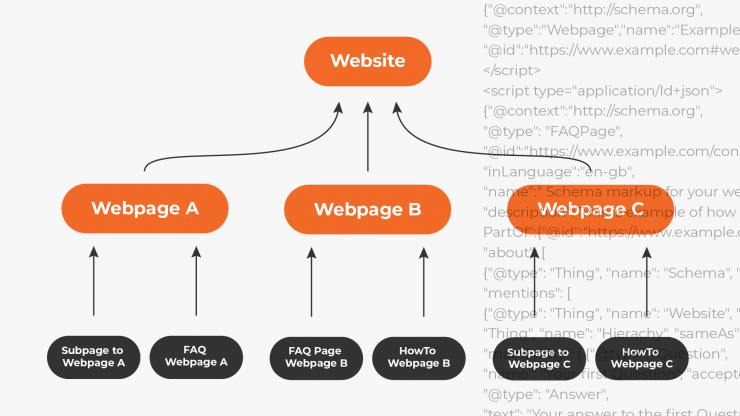
How to Use Structured Data in Web Design for SEO
In today’s digital age, search engine optimization (SEO) is crucial for any website to succeed. One way to improve your site’s SEO is by implementing structured data. Structured data is a method of organizing information on your website in a way that search engines can easily understand and index. By incorporating structured data into your web design, you can help search engines better understand and categorize your content, ultimately improving your site’s visibility and ranking in search results. In this article, we will discuss how to effectively use structured data in your web design to boost your SEO.
Understanding Structured Data
Structured data is a standardized format for providing information about a page and classifying its content. This data is typically written using a markup language such as Schema.org or JSON-LD. By including structured data on your website, you are essentially providing search engines with additional context about your content, making it easier for them to interpret and rank your site in search results.
Types of Structured Data
There are several types of structured data that you can use in your web design to optimize your SEO. Some common types include:
Organization: Provides information about your company, such as its name, logo, and contact information.
WebPage: Describes the webpage content, including its title, description, and URL.
Article: Specifies details about a specific article, such as its headline, author, and publication date.
Product: Provides information about a product, such as its name, price, and availability.
Implementing Structured Data
Now that you understand the importance of structured data, let’s discuss how you can implement it into your web design:
1. Choose the Right Schema
First, you’ll need to determine which type of structured data is most relevant to your content. For example, if you have a blog, you may want to use the Article schema. If you have an e-commerce site, the Product schema would be more appropriate. Refer to Schema.org for a comprehensive list of available schemas and their properties.
2. Add Schema Markup to Your HTML
Once you’ve chosen the appropriate schema, you’ll need to add the corresponding markup to your HTML code. This markup provides search engines with the information they need to index your content accurately. Make sure to include all relevant properties, such as name, description, date published, and author, to enhance the visibility of your content.
3. Test Your Structured Data
After adding structured data to your website, it’s essential to test it using Google’s Structured Data Testing Tool. This tool will validate your markup and identify any errors or missing properties. Correcting these issues will ensure that search engines can interpret your structured data correctly and improve your site’s SEO performance.
Benefits of Using Structured Data
There are numerous benefits to incorporating structured data into your web design for SEO:
Increased visibility in search results
Enhanced user experience through rich snippets
Better understanding of your content by search engines
Improved click-through rates and traffic to your website
Conclusion
Structured data is a powerful tool that can significantly impact your website’s SEO performance. By using the right schema and adding the appropriate markup to your HTML, you can help search engines better understand and categorize your content, ultimately improving your site’s visibility in search results. Remember to test your structured data regularly and make any necessary adjustments to ensure optimal performance. By implementing structured data in your web design, you can take your SEO efforts to the next level and drive more traffic to your website.