How to Build an SEO-Friendly Website Design
In today’s digital age, having a strong online presence is crucial for the success of any business. One of the key aspects of this online presence is having a website that is not only visually appealing but also optimized for search engines. In this article, we will discuss the importance of building an SEO-friendly website design and provide some tips on how you can achieve this.
Why is SEO Important for Your Website?
SEO, or search engine optimization, is the process of optimizing your website so that it ranks higher in search engine results pages. This is important because the higher your website ranks, the more visibility it will have, leading to increased organic traffic. By implementing SEO best practices, you can attract more visitors to your website and ultimately convert them into customers.
Key Elements of SEO-Friendly Website Design
Mobile Responsiveness
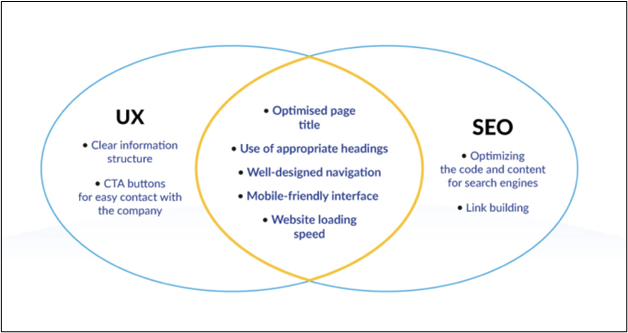
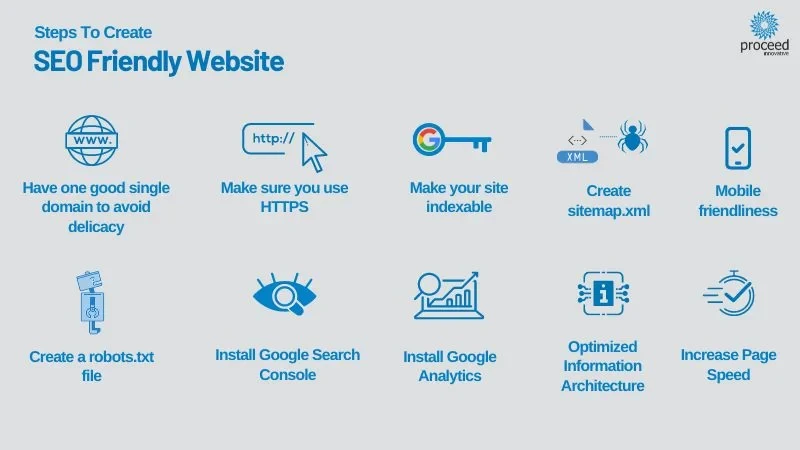
One of the most important aspects of SEO-friendly website design is ensuring that your website is mobile responsive. With the increasing use of mobile devices, it is essential that your website is optimized for smaller screens. Google also gives preference to mobile-friendly websites in its search results, so having a responsive design is crucial for SEO.
Optimized Site Speed
Site speed is another critical factor for SEO. Slow-loading websites not only frustrate visitors but also have a negative impact on search engine rankings. To improve your site’s speed, you can optimize images, minify CSS and JavaScript files, and use caching plugins. Google’s PageSpeed Insights tool can help you identify areas for improvement.
Quality Content
Having high-quality, relevant content is essential for SEO. Search engines like Google prioritize websites that provide valuable information to users. Make sure your content is well-written, engaging, and includes relevant keywords. Regularly updating your content also signals to search engines that your website is active and relevant.
Proper URL Structure
Creating a clear and concise URL structure is important for both users and search engines. Use descriptive keywords in your URLs to help visitors understand what each page is about. Avoid using generic URLs like “website.com/page1” and instead opt for URLs like “website.com/seo-friendly-website-design.”
Meta Tags and Alt Text
Meta tags, including title tags and meta descriptions, are important for SEO as they provide search engines with information about your website. Make sure to include relevant keywords in your meta tags and write compelling descriptions that entice users to click on your website. Alt text for images is also crucial for SEO as it helps search engines understand what the image is about.
Additional Tips for SEO-Friendly Website Design
Optimize for Local SEO
If your business serves a specific geographic area, make sure to optimize your website for local SEO. This includes creating a Google My Business listing, using local keywords in your content, and obtaining local backlinks.
Implement Schema Markup
Schema markup is a form of structured data that provides search engines with additional information about your website. By implementing schema markup, you can enhance your website’s appearance in search results and increase click-through rates.
Regularly Monitor and Update Your Website
SEO is an ongoing process, so it is important to regularly monitor and update your website. Keep track of your website’s performance with tools like Google Analytics and Search Console. Additionally, stay up to date with the latest SEO trends and algorithms to ensure your website remains competitive.
Conclusion
Building an SEO-friendly website design is crucial for attracting organic traffic and improving your online visibility. By implementing the tips mentioned in this article, you can create a website that not only looks great but also ranks well in search engine results pages. Remember that SEO is a continuous process, so regularly monitor and update your website to stay ahead of the competition.