
SEO Best Practices for Web Designers
In today’s digital age, having a strong online presence is crucial for businesses to succeed. One key aspect of this is ensuring your website is optimized for search engines. Search Engine Optimization (SEO) plays a vital role in driving organic traffic to your site and improving your visibility in search engine results. As a web designer, it is essential to incorporate SEO best practices into your designs to ensure your clients’ websites are not only visually appealing but also easily discoverable by potential customers. In this article, we will discuss some key SEO best practices that every web designer should follow.
1. Mobile-Friendly Design
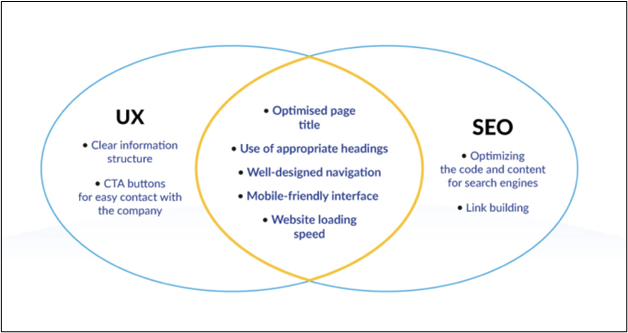
With the increasing use of smartphones and tablets, it is essential to design websites that are mobile-friendly. Google gives preference to mobile-friendly websites in its search results, so ensuring your website is responsive and accessible on all devices is crucial for SEO. Make sure to test your designs on various devices and screen sizes to ensure a seamless user experience.
2. Optimized Page Speed
Page speed is a crucial ranking factor for search engines, as it directly impacts user experience. Slow-loading websites not only frustrate users but also result in higher bounce rates and lower search engine rankings. As a web designer, optimize your images, minimize HTTP requests, and leverage browser caching to improve your website’s page speed.
3. Proper URL Structure
The URL structure of a website plays a significant role in SEO. Ensure your URLs are concise, descriptive, and include relevant keywords. Avoid using long, complex URLs with unnecessary parameters, as they can confuse search engines and make it difficult for users to navigate your site.
4. Meta Tags Optimization
Meta tags, such as title tags and meta descriptions, are crucial for SEO. Include relevant keywords in your title tags and write compelling meta descriptions that accurately describe the page content. Optimizing your meta tags can help improve your click-through rates and overall SEO performance.
5. Quality Content
Content is king when it comes to SEO. As a web designer, work closely with your clients to create high-quality, engaging content that is relevant to their target audience. Ensure your content is well-organized, easy to read, and includes relevant keywords to improve its visibility in search engine results.
6. Internal Linking
Internal linking is essential for SEO, as it helps search engines crawl and index your website more effectively. Incorporate internal links throughout your website to connect related pages and improve user navigation. This not only helps users discover more content on your site but also enhances the overall user experience.
7. Image Optimization
Images are an essential component of web design, but they can also impact your website’s SEO. Optimize your images by including relevant alt text, file names, and descriptions to improve their visibility in image search results. Compress your images to reduce load times and enhance user experience.
8. Schema Markup
Schema markup is a powerful tool that helps search engines understand the content on your website better. Incorporate schema markup into your designs to provide search engines with additional information about your content, such as product descriptions, reviews, and pricing. This can help improve your website’s visibility in search results and drive more organic traffic.
9. Regular Maintenance
SEO is an ongoing process, and it is essential to regularly monitor and update your website to ensure it is optimized for search engines. Conduct regular audits, fix broken links, update outdated content, and stay abreast of the latest SEO trends and algorithm updates. By staying proactive and continuously optimizing your website, you can maintain or improve your search engine rankings over time.
By following these SEO best practices, web designers can create visually stunning websites that are also optimized for search engines. Incorporate these practices into your designs to improve your clients’ online visibility, drive organic traffic, and ultimately help them achieve their business goals.
Remember, SEO is not a one-size-fits-all solution, and it requires ongoing effort and attention to detail. By staying informed, adapting to changes, and implementing best practices, web designers can create websites that not only look great but also perform well in search engine results.