How to Design a Website That Ranks Well in Google
When it comes to creating a successful website, one of the key factors to consider is how well it ranks in Google search results. With millions of websites competing for the top spots on the search engine results pages (SERPs), it can be a challenge to stand out and attract organic traffic. However, with the right design and optimization strategies, you can improve your chances of ranking well in Google and driving more visitors to your site.
Understand Google’s Ranking Factors
Before you start designing your website, it’s important to understand the key factors that Google considers when determining search rankings. Some of the most important factors include:
Relevant Content: Google values high-quality, relevant content that matches users’ search queries.
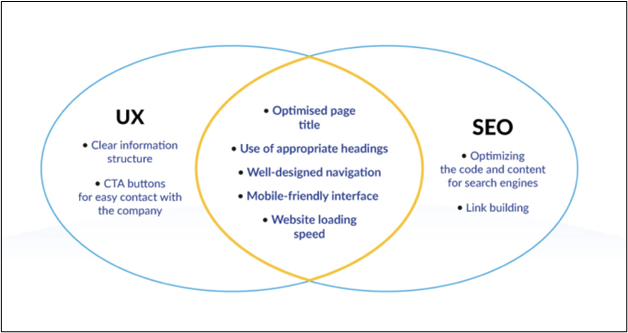
Mobile-Friendliness: With the majority of internet users accessing websites on mobile devices, Google prioritizes mobile-friendly sites.
Page Speed: Slow-loading websites are penalized in Google’s algorithm, so ensure your site loads quickly.
Backlinks: Having a strong backlink profile from reputable sites can boost your search rankings.
Choose a Responsive Design
Google has recently shifted to mobile-first indexing, meaning it primarily uses the mobile version of a site for ranking and indexing. To ensure your website is optimized for mobile, choose a responsive design that adapts to different screen sizes and devices. This not only improves user experience but also boosts your chances of ranking well in Google’s mobile search results.
Create High-Quality, Relevant Content
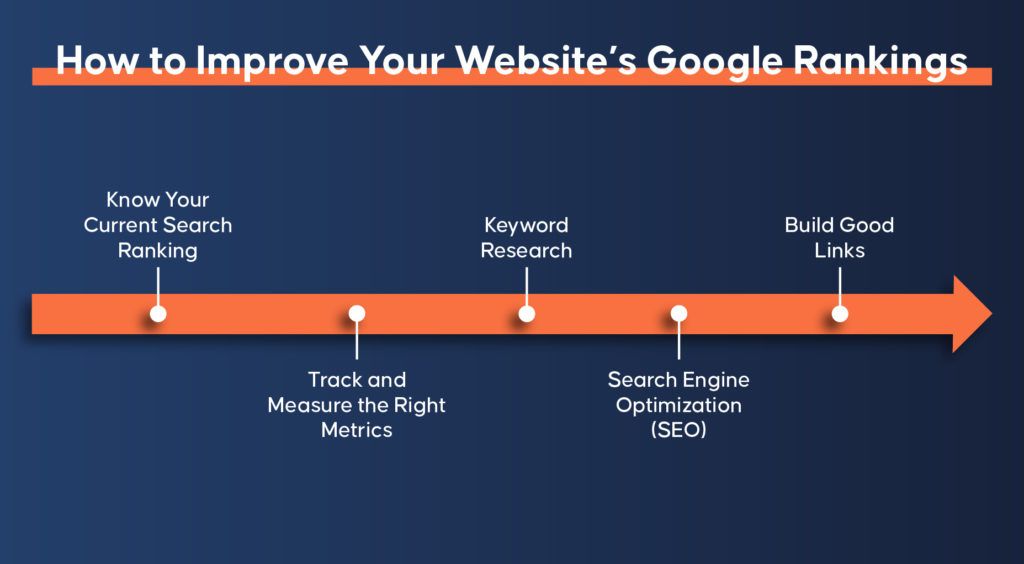
One of the most important ranking factors in Google’s algorithm is content quality. Aim to create high-quality, relevant content that answers users’ search queries and provides value. Conduct keyword research to identify relevant keywords and topics in your niche, and optimize your content with these keywords to improve your chances of ranking well in Google.
Optimize Your Website’s Loading Speed
Page speed is a crucial ranking factor in Google’s algorithm, as users expect fast-loading websites. To improve your website’s loading speed, optimize images, minify CSS and JavaScript files, leverage browser caching, and use a content delivery network (CDN). Regularly test your website’s speed using tools like Google PageSpeed Insights and make necessary optimizations to ensure fast loading times.
Secure Your Website with HTTPS
Google prioritizes website security and actively encourages website owners to switch to HTTPS. Secure your website with an SSL certificate to encrypt data transferred between users and your site, improving security and boosting your search rankings. Additionally, Google Chrome displays a “Not Secure” warning for unsecured sites, which can negatively impact your website’s trustworthiness and search visibility.
Build a Strong Backlink Profile
Backlinks from reputable websites are a powerful ranking factor in Google’s algorithm. Focus on building a strong backlink profile by creating high-quality content that attracts natural backlinks, reaching out to relevant websites for guest posting opportunities, and leveraging social media and partnerships to generate links back to your site. Remember that quality is more important than quantity when it comes to backlinks, so prioritize acquiring links from authoritative sources.
Monitor and Analyze Your Website’s Performance
Once you’ve implemented these strategies to design a website that ranks well in Google, it’s important to monitor and analyze your website’s performance regularly. Use tools like Google Analytics and Google Search Console to track your website’s traffic, search rankings, and user behavior. Analyze this data to identify areas for improvement and adjust your strategy accordingly to continue ranking well in Google.
By following these tips and strategies for designing a website that ranks well in Google, you can improve your search visibility, attract organic traffic, and ultimately drive more conversions and sales. Remember that SEO is an ongoing process, so continue to optimize your website and content to stay ahead of the competition and maintain your search rankings over time.