SEO-Friendly Web Design: Essential Elements
In today’s digital age, having a strong online presence is essential for any business looking to succeed. One key aspect of a successful online presence is having a website that is not only visually appealing but also optimized for search engines. This is where SEO-friendly web design comes into play. In this article, we will discuss the essential elements that make up a successful SEO-friendly website.
Responsive Design
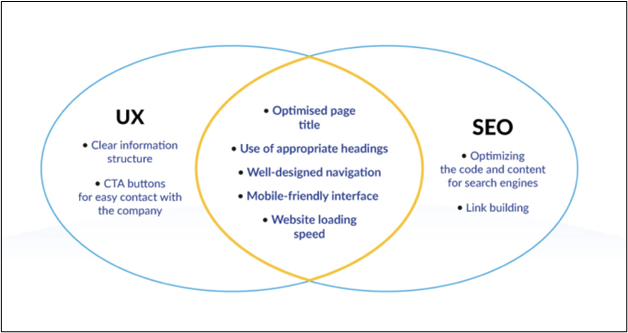
One of the first things to consider when designing an SEO-friendly website is responsiveness. With a growing number of users accessing websites on mobile devices, it is crucial that your website is optimized for all screen sizes. A responsive design ensures that your website looks great and functions properly on desktops, laptops, tablets, and smartphones. Search engines like Google prioritize mobile-friendly websites in search results, so having a responsive design is key to improving your SEO rankings.
Fast Loading Speed
Another important element of SEO-friendly web design is fast loading speed. Studies have shown that users are more likely to abandon a website if it takes more than a few seconds to load. In addition, search engines like Google consider page speed as a ranking factor. To improve loading speed, optimize images, minify CSS and JavaScript files, and leverage browser caching. By ensuring fast loading speed, you can provide users with a better experience and boost your SEO rankings.
Optimized Metadata
Metadata plays a crucial role in search engine optimization. Title tags, meta descriptions, and heading tags all help search engines understand the content of your website. When creating metadata, make sure to include relevant keywords that accurately describe your content. Title tags should be unique for each page, while meta descriptions should be concise and informative. Heading tags should be used to highlight important keywords and provide structure to your content. By optimizing metadata, you can improve your website’s visibility in search engine results.
Quality Content
Content is king when it comes to SEO. High-quality, relevant content not only engages users but also helps improve your SEO rankings. When creating content for your website, focus on providing valuable information that meets the needs of your target audience. Use relevant keywords naturally throughout your content and ensure that it is well-organized and easy to read. By consistently publishing quality content, you can attract more visitors to your website and improve your search engine rankings.
Internal Linking
Internal linking is another important element of SEO-friendly web design. By linking related pages within your website, you can help search engines understand the structure of your site and improve the user experience. Internal links also help distribute link equity throughout your website, which can improve the ranking of your pages in search results. When creating internal links, use descriptive anchor text that includes relevant keywords. By incorporating internal linking into your website design, you can boost your SEO efforts and improve your website’s visibility online.
Optimized Images
Images are an important aspect of web design, but they can also impact your SEO efforts. Optimizing images for search engines involves using descriptive filenames, alt text, and captions. Descriptive filenames should include relevant keywords, while alt text provides text alternatives for images that are not displayed. Captions can also help provide context for images and improve user engagement. By optimizing images, you can improve your website’s accessibility and boost your SEO rankings.
In conclusion, SEO-friendly web design is essential for improving your website’s visibility in search engine results. By incorporating responsive design, fast loading speed, optimized metadata, quality content, internal linking, and optimized images, you can create a website that not only looks great but also performs well in search engines. By focusing on these essential elements, you can attract more visitors to your website, provide a better user experience, and ultimately achieve higher search engine rankings.