How to Make Your Website SEO-Compliant from the Start
Creating a website that is search engine optimization (SEO) compliant is essential for attracting organic traffic and improving your online visibility. By following these key steps, you can ensure that your website is optimized for search engines from the start.
Choose the Right Domain Name
When selecting a domain name for your website, it’s important to choose a name that is relevant to your content and easy to remember. Avoid using hyphens or numbers in your domain name, as these can make it harder for users to find your site. Additionally, try to include keywords that are related to your niche in your domain name, as this can help improve your site’s SEO rankings.
Create Quality Content
One of the most important aspects of SEO is creating high-quality, relevant content. Make sure that your website content is well-written, informative, and engaging for your target audience. Use keywords strategically throughout your content, but avoid keyword stuffing, as this can negatively impact your SEO rankings.
Optimize Your Meta Tags
Meta tags are snippets of code that provide information about your website to search engines. Make sure that your meta tags, including your title tags and meta descriptions, are optimized with relevant keywords and accurately describe your content. This can help improve your website’s visibility in search engine results pages.
Improve Your Site Speed
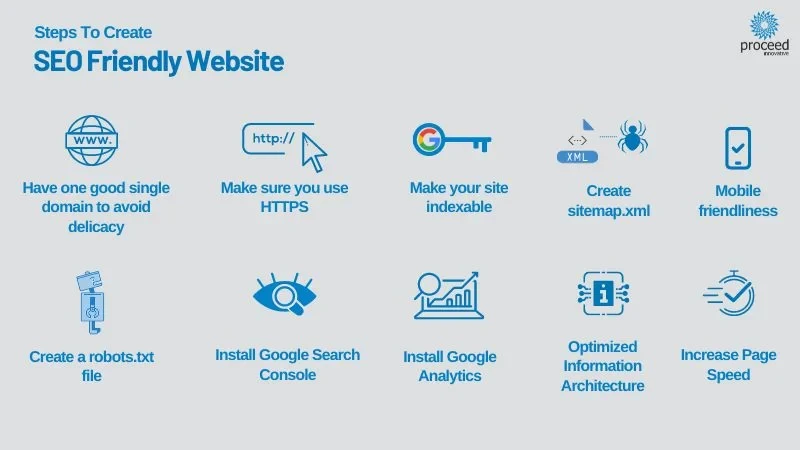
Site speed is a key factor in SEO rankings, as search engines prefer websites that load quickly. To improve your site speed, optimize your images, reduce the number of plugins on your site, and choose a reliable hosting provider. You can also use tools like Google PageSpeed Insights to identify areas for improvement.
Mobile-Friendly Design
With more users accessing the internet on mobile devices, having a mobile-friendly website is crucial for SEO. Make sure that your website is responsive and displays correctly on all devices, including smartphones and tablets. This can help improve your search engine rankings and provide a better user experience for your audience.
Use SEO-Friendly URLs
When creating URLs for your website, make sure they are descriptive and include relevant keywords. Avoid using generic URLs with numbers and symbols, as these can make it harder for search engines to understand your content. Use hyphens to separate words in your URLs, as this can improve readability and SEO.
Optimize Your Images
Images are an important part of any website, but they can also impact your SEO rankings. Make sure that your images are optimized for the web by reducing their file size and including relevant alt text. This can improve your website’s performance and make it more accessible to search engines.
Regularly Update Your Content
Search engines favor websites that provide fresh, relevant content on a regular basis. Make sure to update your website with new blog posts, articles, or product updates to keep your content current and engaging for your audience. This can help improve your SEO rankings and attract more organic traffic to your site.
Monitor Your Website’s Performance
Finally, it’s important to monitor your website’s performance and track your SEO efforts. Use tools like Google Analytics to analyze your website traffic, keyword rankings, and user engagement. This can help you identify areas for improvement and make informed decisions to optimize your website for search engines.
By following these key steps, you can make sure that your website is SEO-compliant from the start and set yourself up for success in the digital landscape. Remember that SEO is an ongoing process, so continue to monitor your website’s performance and make adjustments as needed to stay ahead of the competition.