On-Page SEO Tips for Web Designers
Search Engine Optimization (SEO) is crucial for the success of any website. As a web designer, it is important to not only create visually appealing websites but also ensure they are optimized for search engines. In this article, we will discuss some on-page SEO tips that web designers can implement to improve the visibility and ranking of their websites.
1. Keyword Research
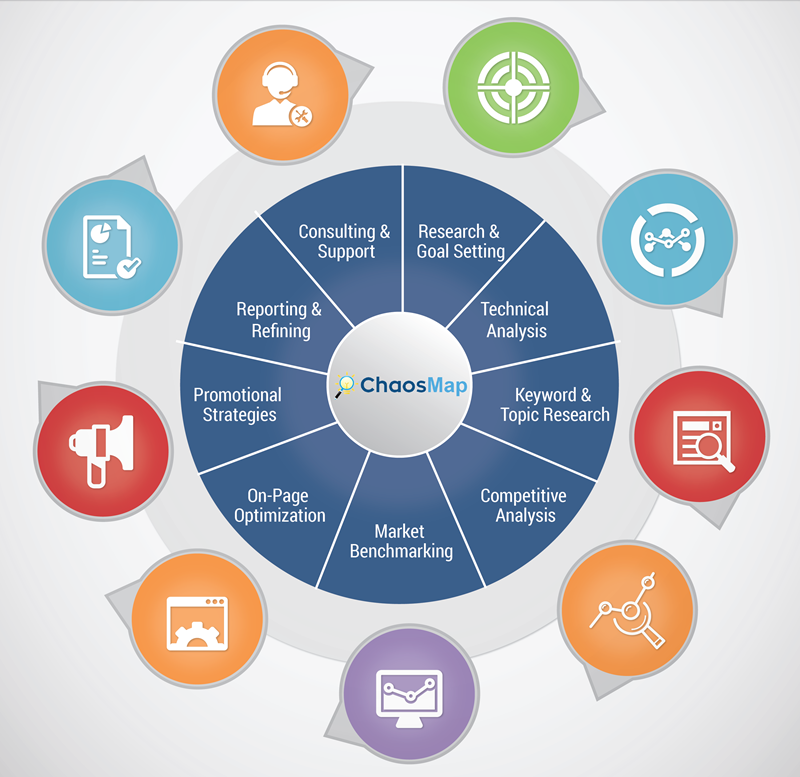
Before starting the design process, conduct thorough keyword research to identify relevant keywords that your target audience is searching for. Use tools like Google Keyword Planner or SEMrush to find high-volume keywords that you can incorporate into your website content.
2. Optimize Meta Tags
Meta tags, including title tags and meta descriptions, play a crucial role in on-page SEO. Ensure that each page on your website has a unique and descriptive title tag that includes the target keyword. Write compelling meta descriptions that encourage users to click on your website in search engine results pages.
3. Create SEO-Friendly URLs
When creating URLs for your website pages, make sure they are SEO-friendly and contain keywords related to the page content. Avoid using long, complex URLs with unnecessary parameters and symbols. A clean and concise URL structure can improve the user experience and search engine rankings.
4. Optimize Images
Images are an essential part of web design, but they can also impact SEO. Use descriptive filenames for your images and include alt text that describes the image content using relevant keywords. Compress images to improve page loading speed, which is a ranking factor for search engines.
5. Mobile-Friendly Design
With the increasing use of mobile devices, it is essential to ensure your website is responsive and mobile-friendly. Google prioritizes mobile-friendly websites in search results, so make sure your design is optimized for different screen sizes and devices.
6. Internal Linking
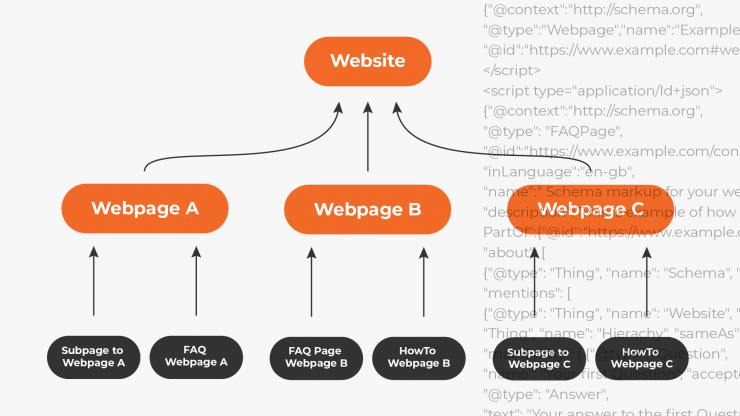
Internal linking is an important on-page SEO strategy that can improve the visibility of your website pages. Link related pages together using relevant anchor text to help search engines understand the structure of your website and prioritize important content.
7. Page Speed Optimization
Page speed is a critical factor in user experience and SEO. Optimize your website for fast loading times by reducing image sizes, minimizing HTTP requests, and enabling browser caching. Use tools like Google PageSpeed Insights to identify areas for improvement.
Conclusion
By following these on-page SEO tips, web designers can create websites that are not only visually appealing but also optimized for search engines. Remember that SEO is an ongoing process, so regularly monitor your website performance and make necessary adjustments to improve rankings and attract more organic traffic.
© 2022 Copywriter Pro. All rights reserved.