The Complete Guide to Website Redesign
Website redesign is a crucial process that can significantly impact your online presence and business success. Whether you’re looking to update your site’s look and feel, improve user experience, or boost your search engine rankings, a website redesign can help you achieve your goals. However, redesigning a website is not a simple task, and it requires careful planning and execution to ensure its success. In this guide, we will walk you through the essential steps of website redesign to help you achieve a website that stands out from the competition and drives results.
Assess Your Current Website
The first step in the website redesign process is to assess your current website to identify its strengths and weaknesses. Take a critical look at your site’s design, content, functionality, and user experience to determine what is working well and what needs improvement. Gather feedback from your users and analyze your site’s performance metrics to gain valuable insights into how visitors interact with your site. This information will help you identify areas for improvement and set clear goals for your website redesign.
Define Your Goals and Objectives
Before starting the redesign process, it’s essential to define your goals and objectives for the project. Do you want to increase website traffic, improve user engagement, generate more leads, or boost sales? Setting clear goals will guide your redesign efforts and help you measure the success of the project. Make sure your goals are specific, measurable, achievable, relevant, and time-bound to ensure a successful website redesign.
Develop a Detailed Plan
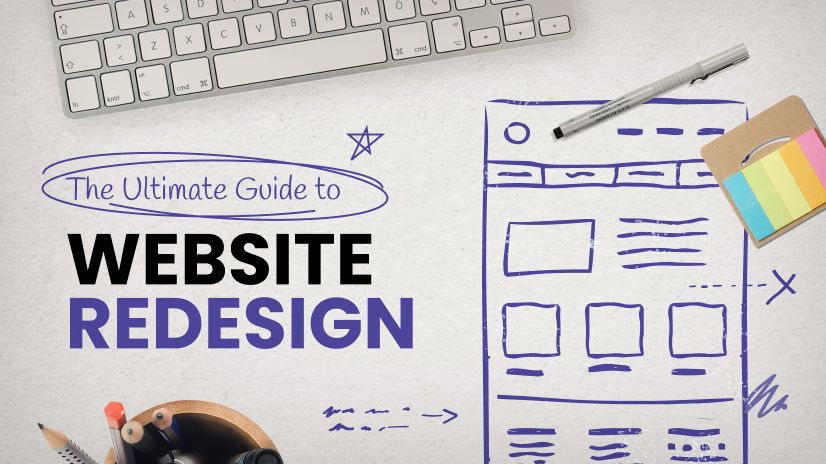
Once you have identified your goals and objectives, it’s time to create a detailed plan for your website redesign. Outline the scope of the project, including the redesign goals, target audience, site structure, content strategy, and timeline. Consider factors such as responsive design, SEO optimization, and user experience to ensure your new website meets the needs of your users and search engines. Create a sitemap and wireframes to visualize the new site structure and layout before proceeding with the redesign.
Design and Development
With a solid plan in place, it’s time to kick off the design and development phase of the website redesign. Work with a talented web designer to create a visually appealing and user-friendly design that reflects your brand identity and captures the attention of your target audience. Ensure your new design is responsive and mobile-friendly to provide a seamless user experience across all devices. Collaborate with developers to implement the design and build a functional website that meets your business objectives and user needs.
Content Creation and Optimization
Content is king in the online world, so make sure to invest time and effort in creating high-quality, engaging content for your website redesign. Review and update your existing content to ensure it’s relevant, accurate, and aligned with your brand messaging. Create new content that educates, informs, and entertains your target audience to drive traffic and conversions. Optimize your content for SEO by incorporating relevant keywords, meta tags, and internal links to improve your site’s visibility in search engine results.
Testing and Quality Assurance
Before launching your redesigned website, it’s crucial to conduct thorough testing and quality assurance to ensure everything is working correctly. Test your site’s functionality, performance, and responsiveness across different browsers and devices to address any issues before going live. Check for broken links, missing images, and formatting errors to deliver a seamless user experience. Conduct user testing to gather feedback and make any necessary adjustments to optimize your site for optimal performance.
Launch and Promotion
Once you have completed all the necessary steps of the website redesign process, it’s time to launch your new site and promote it to your target audience. Announce the launch of your redesigned website through your social media channels, email newsletters, and press releases to generate buzz and drive traffic to your site. Monitor your site’s performance and gather feedback from users to continuously improve and enhance your website to meet your business goals.
Maintain and Update
Website redesign is not a one-time project; it’s an ongoing process that requires regular maintenance and updates to keep your site fresh and relevant. Monitor your site’s performance metrics and user feedback to identify areas for improvement and implement changes as needed. Stay current with the latest web design trends and technologies to ensure your website remains competitive and delivers an exceptional user experience. Regularly update your content, images, and features to keep your site up-to-date and engaging for your target audience.
By following this complete guide to website redesign, you can create a visually stunning, user-friendly, and high-performing website that drives results for your business. Invest time and resources in planning, design, development, and promotion to ensure a successful website redesign that captivates your audience and achieves your business objectives.