Best SEO Practices for E-commerce Web Design
Search Engine Optimization (SEO) plays a crucial role in driving organic traffic to your e-commerce website. By optimizing your website for search engines, you can improve your visibility and attract more potential customers. In this article, we will discuss some of the best SEO practices for e-commerce web design.
Optimize Your URLs
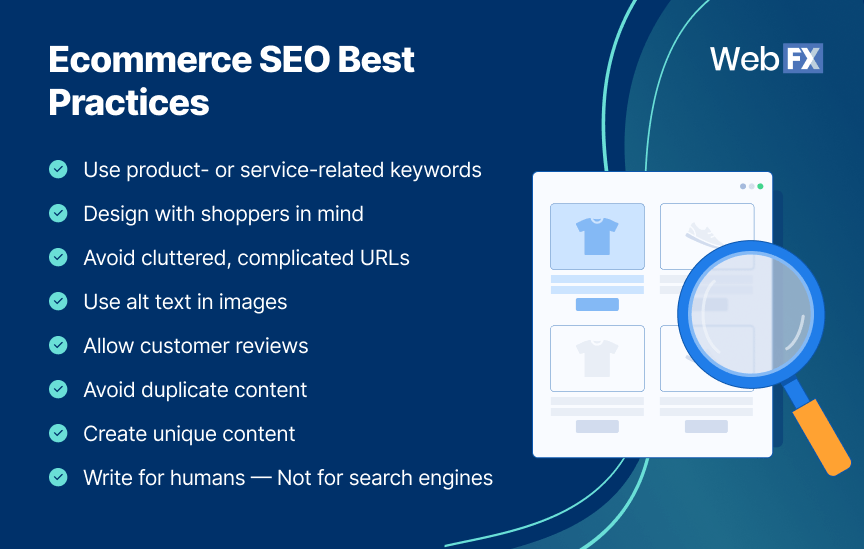
One of the first steps in optimizing your e-commerce website for search engines is to create SEO-friendly URLs. Make sure that your URLs are descriptive, relevant, and contain keywords that are relevant to the content on the page. Avoid using generic URLs or numbers and symbols in your URLs.
Mobile-Friendly Design
With the growing number of mobile users, it is essential to have a mobile-friendly design for your e-commerce website. This not only improves the user experience but also helps in SEO rankings. Make sure that your website is responsive and loads quickly on mobile devices.
Optimize Product Descriptions
When creating product descriptions for your e-commerce website, make sure to optimize them for search engines. Use relevant keywords, unique content, and avoid duplicate content. Include product specifications, benefits, and unique selling points to attract more customers.
Image Optimization
Images play a crucial role in e-commerce websites. Make sure to optimize your images for search engines by using descriptive filenames, alt text, and captions. This not only improves the user experience but also helps in SEO rankings.
Internal Linking
Internal linking is an essential SEO strategy that can help search engines discover and index your web pages. Make sure to include relevant internal links throughout your e-commerce website to improve navigation and user experience.
SEO-Friendly Navigation
Having a clear and SEO-friendly navigation structure is essential for e-commerce websites. Make sure that your website is easy to navigate and all the pages are interlinked. Include breadcrumbs, sitemaps, and menus to help search engines crawl and index your website.
Optimize Page Speed
Page speed is a critical factor that affects SEO rankings. Make sure that your e-commerce website loads quickly on all devices by optimizing images, using a content delivery network (CDN), and minifying CSS and JavaScript files. This not only improves SEO rankings but also enhances the user experience.
User-Generated Content
User-generated content such as reviews, ratings, and testimonials can help in improving SEO rankings. Encourage your customers to leave feedback and reviews on your e-commerce website. This not only adds credibility to your products but also helps in SEO rankings.
Monitor and Analyze
Lastly, it is essential to monitor and analyze the performance of your e-commerce website regularly. Use tools like Google Analytics to track your website traffic, user behavior, and SEO rankings. Make necessary adjustments and optimizations based on the data to improve your SEO strategy.
Conclusion
By implementing these best SEO practices for e-commerce web design, you can improve your website’s visibility, attract more customers, and boost your sales. Remember that SEO is an ongoing process, and it requires constant monitoring and optimization to stay ahead of the competition.